
Long before access was expanded or equity was legislated, Black women were building businesses, acquiring property, structuring distribution networks, and creating financial institutions in the United States. In the face of legal exclusion and systemic barriers, they developed enterprises that did more than generate income — they built infrastructure. From banking and manufacturing to real estate, hospitality, and investment, these women created economic pathways that sustained families and strengthened entire communities. In addition to Maggie Lena Walker, Annie Turnbo Malone, Clara Brown, and Mary Ellen Pleasant, figures such as Sarah Breedlove (Madam C.J. Walker), Sara Spencer Washington, and later pioneers like Alonzo Herndon’s daughter Adrienne Herndon in the insurance sector contributed to this tradition of ownership and institution-building. Black women business owners have consistently leveraged entrepreneurship not merely for personal advancement, but to construct systems of collective economic resilience.
Below is a small sampling of four women who exemplify that legacy of ownership, strategy, and structural impact.
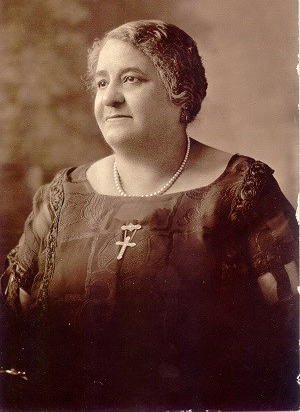
Maggie Lena Walker
Banking | 1903
Chartered and led the St. Luke Penny Savings Bank in 1903, becoming the first woman in the United States to found and serve as president of a bank.
She built financial infrastructure for Black communities during segregation, creating systems of economic stability and collective advancement.
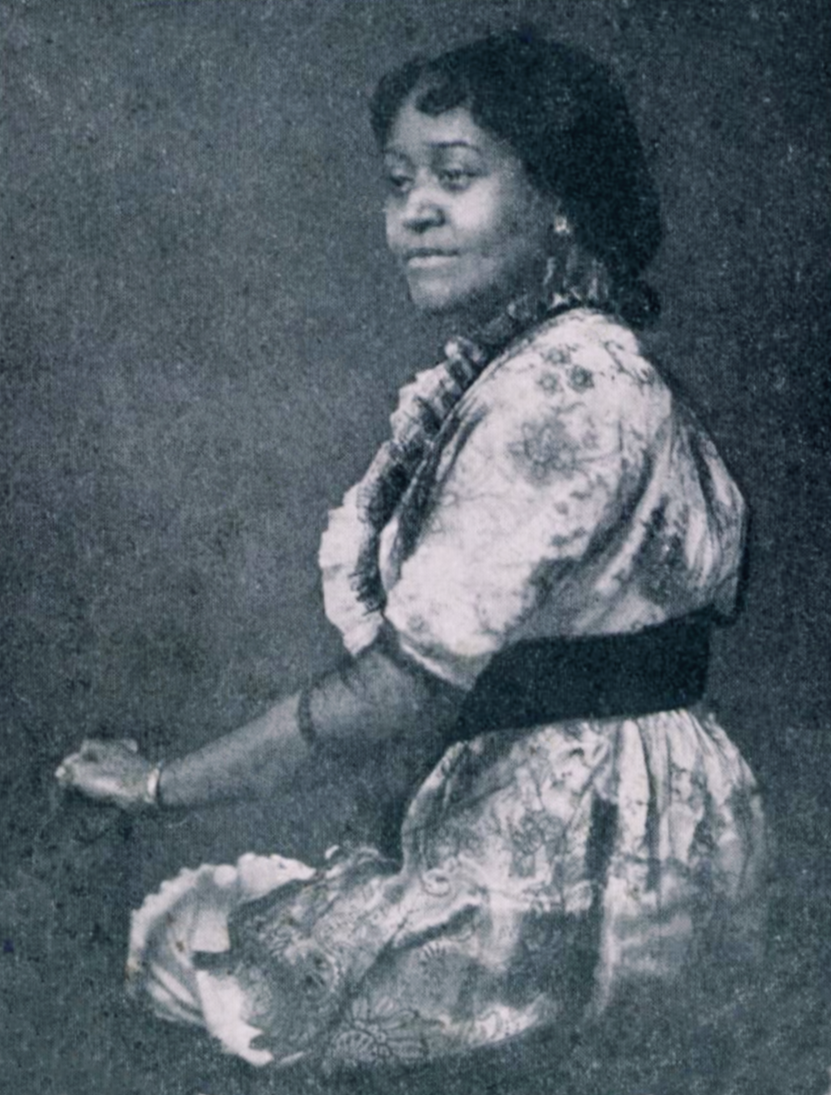
Annie Turnbo Malone
Beauty Manufacturing | 1902
Founded the Poro Company in 1902 and built a multimillion-dollar haircare enterprise serving Black women nationwide.
She trained tens of thousands of women as sales agents and entrepreneurs, developing one of the earliest large-scale distribution networks in the country.
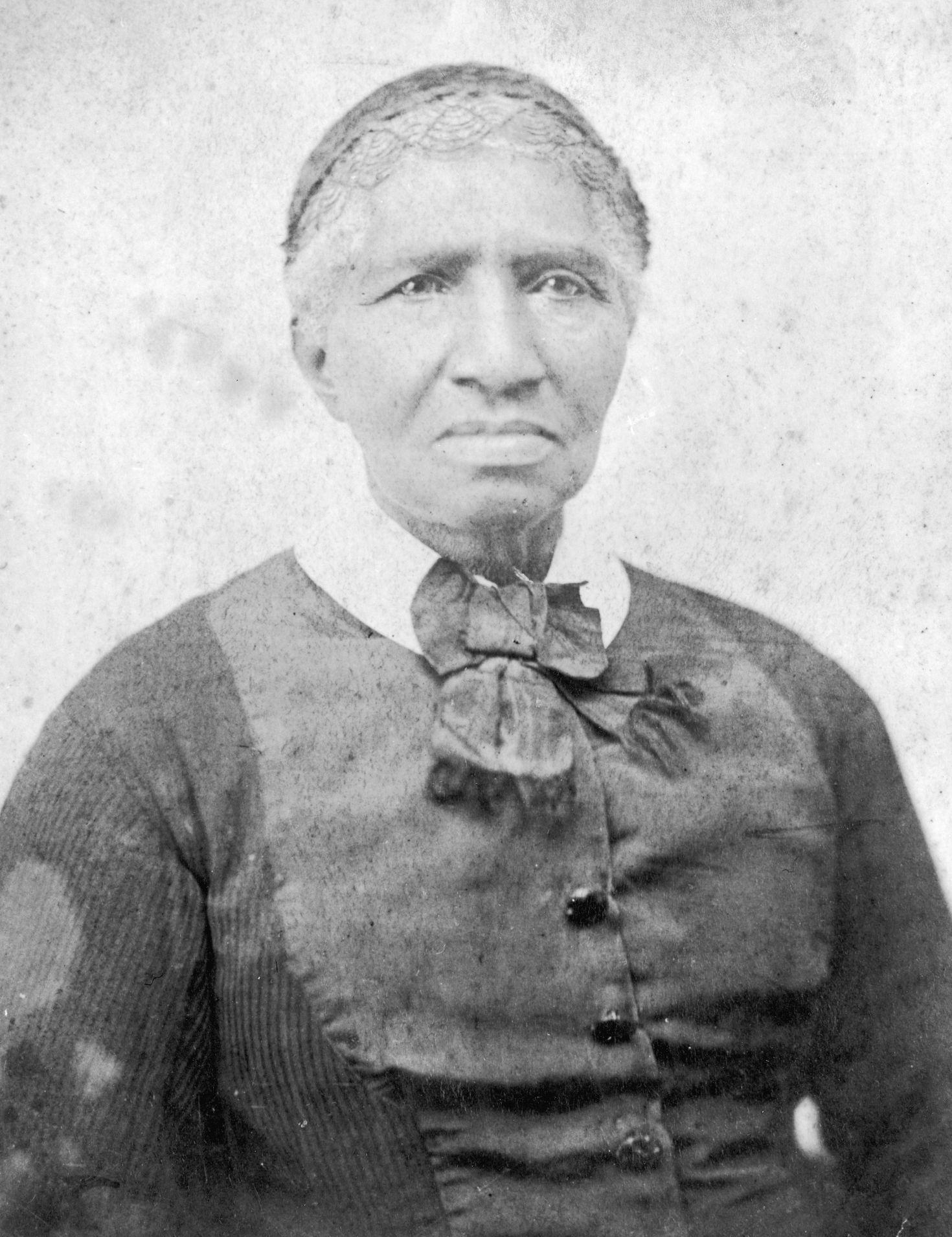
Clara Brown
Real Estate & Investment | 1860
After gaining her freedom, she moved to Colorado around 1860 during the Gold Rush and began investing in land, laundry businesses, and mining claims.
She became one of the first Black female property investors in the American West, building wealth through ownership and reinvesting in community
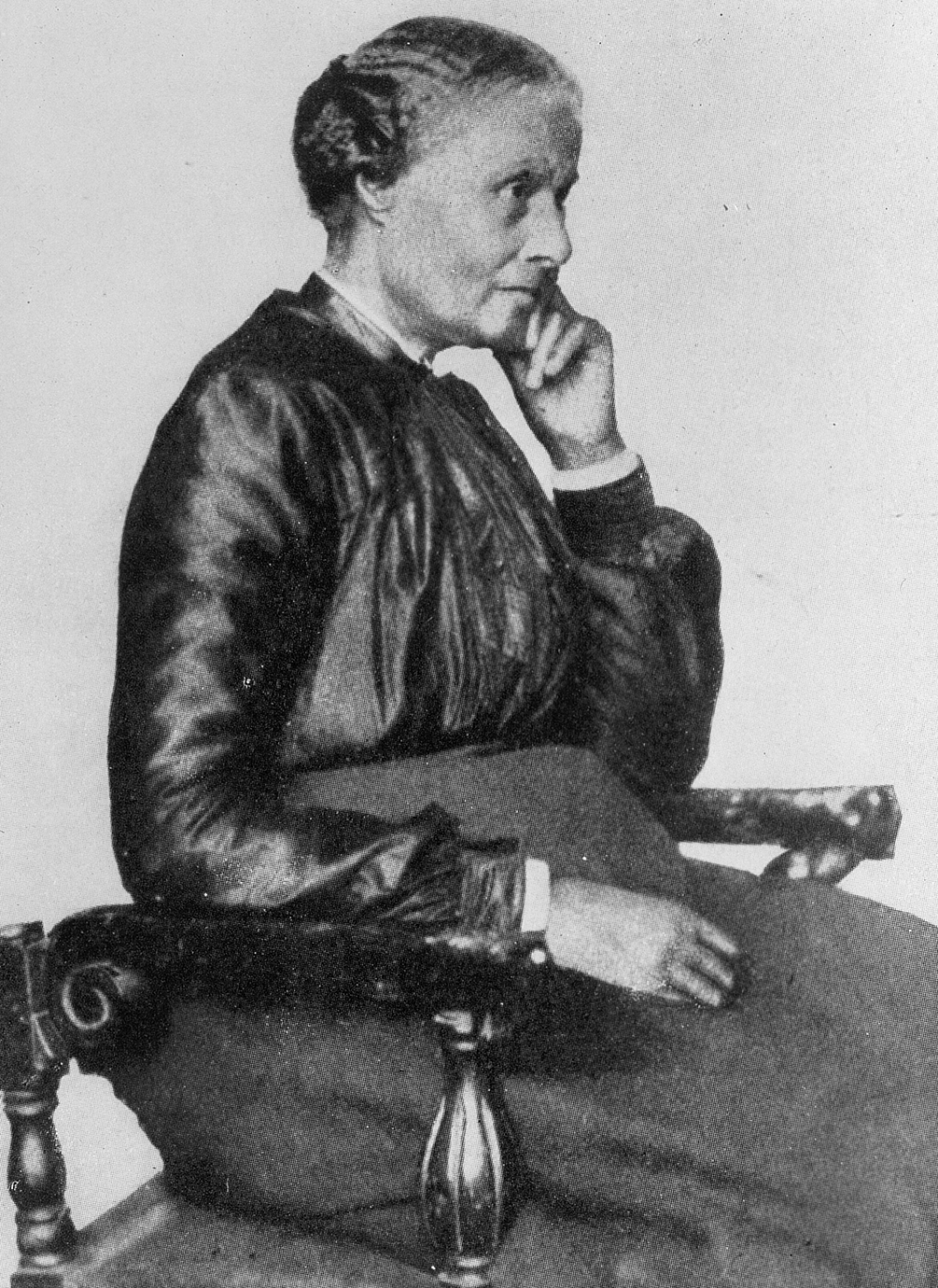
Mary Ellen Pleasant
Hospitality & Finance | 1852
Arrived in San Francisco in 1852 and built wealth through boarding houses, catering, and strategic investments during the Gold Rush era.
She used her capital to fund abolitionist causes and civil rights litigation, quietly financing structural change while operating as a sophisticated investor.
These women did not wait for permission to participate in the economy; they shaped it. Their enterprises remind us that access often follows infrastructure — and that ownership remains one of the most powerful tools for building lasting change.
Success without contribution is incomplete. At Vision Quest Retreats I work with women who are ready to define their life’s work in a way that builds impact — not just achievement.
